February 27, 2026

AI - Are You Leaning In or Falling Behind?
by
Trina Jones
It feels like AI has come at us thick and fast and it’s only going to accelerate. Excited? Slightly nervous? In the camp of ‘I don’t want to hear about it?’ Or embracing it like a new friend who only ever has kind and positive things to say back to you and never sleeps?

The upshot is, whether you like it or not, it’s everywhere and has been embedded in how we work for some time now.
We’ve heard the commentary. Aotearoa has a chronic productivity issue. We’ve been operating in a recessionary environment. Times have been tough. Naturally, businesses are looking to automate, reduce costs and operate smarter. That’s where AI can be absolutely brilliant.
And interestingly, most white collar workers aren’t running from it.
In research we conducted with our friends at NZ AI last year, 76% of respondents say they feel positive about AI in the workplace to some degree, and 62% are more positive than they were 12 months ago. Curiosity, ease and opportunity are outweighing fear, at least for now.
Considering how much the way we work has evolved - fax machines, internet, emails, chat, WhatsApp, the internet, the list goes on, we learnt, adapted and moved forward. This is no different, other than the rate of change this time. Don’t get me wrong, we’ve heard it all - AI will replace people, jobs will go. But put simply, it won’t replace people wholesale.
When the internet arrived, did roles change? Absolutely. Did we adapt? Of course we did and we’ll do it again. Will some jobs shift or go due to AI? Yes. Will new ones evolve? Absolutely.
Noise aside, only 10% of respondents in our research had actually seen job losses due to AI so far. The bigger risk right now isn’t mass redundancy, it’s digging your heels in and being left behind. If you’re in the camp of ‘I don’t want my job to change’, be careful. The opportunity to re-tool, upskill and ensure you remain valuable in your current organisation, or the next one, is an important one to embrace in this evolving landscape.
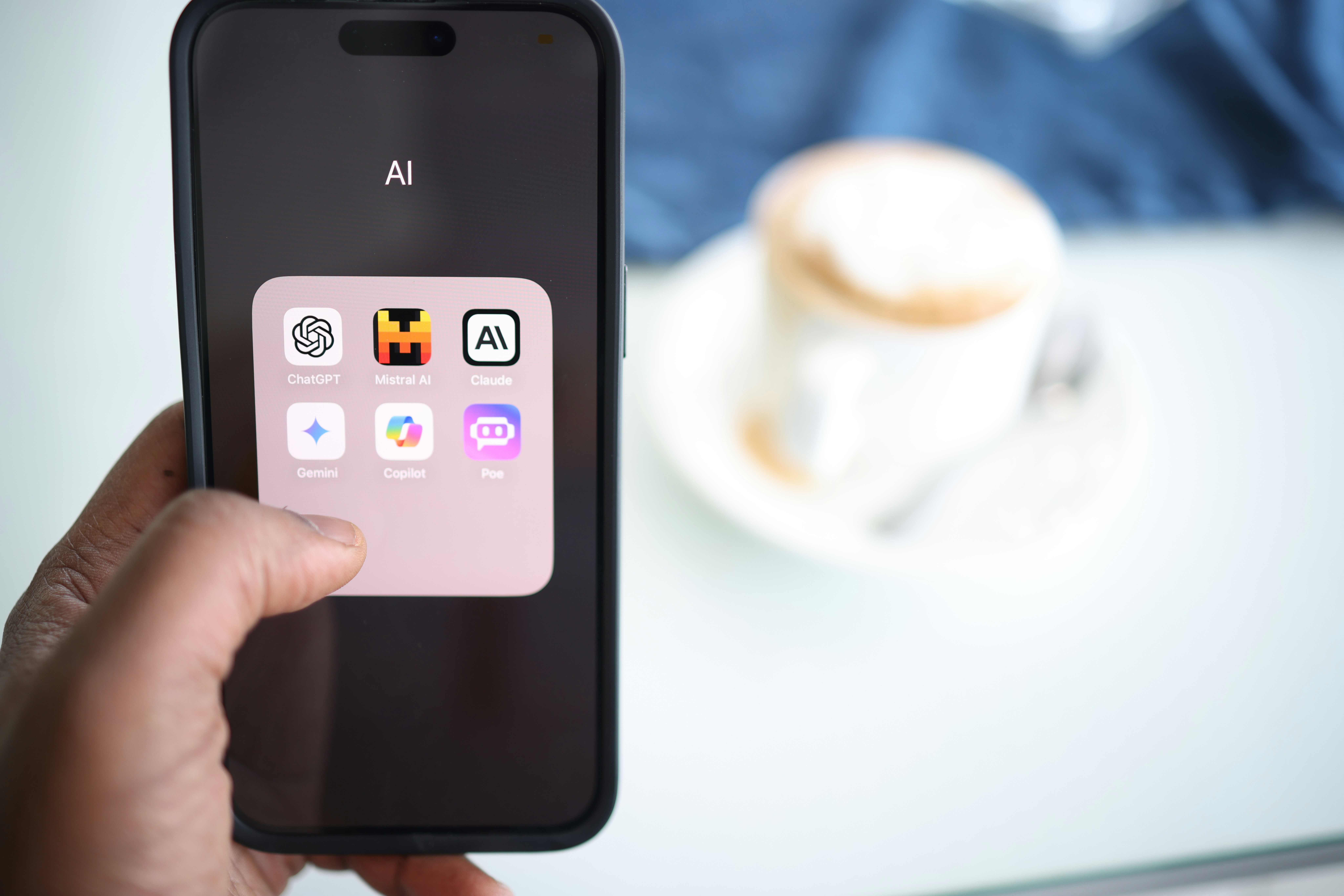
The message from our research was clear, lean in – AI should work alongside you, not instead of you or against you. I recently listened to a podcast describing AI as a ‘thought partner’ and that resonated. Think ChatGPT, Perplexity or Microsoft Copilot - these tools can help sense check ideas, structure thinking or test decisions. That’s where it’s hugely beneficial, not because you haven’t thought for yourself but because you have, and AI sharpens it. However, if you outsource your critical thinking entirely, you’re on a slippery slope.
If we switch gears to recruitment…
Goodness, where do I start!
We’re big adopters of AI tools at Cultivate, as long as they don’t remove human insight, oversight and judgement. A human-centred approach for candidates and clients is incredibly important to us and we’ve made the decision that humans will continue to assess talent, while AI will strip back as much admin as possible. By automating the admin, we’ve creating space for our consultants to focus on what truly adds value - assessing, advising and being consultative and delivering quality hiring outcomes. Thankfully these are also the fun and rewarding parts of the role.
Relying on a tool to assess and select whose application you should progress, that’s where it gets tricky. AI can help qualify based on facts but subjective review matters and so does potential. An over reliance on AI CV screening is particularly dangerous. It's common for our team, who have seen thousands of CVs, to pick up the phone to someone who hasn’t represented themselves as well as they could on paper because we sense they might have more to offer that that document suggests – that’s because most candidates don’t know how to write a great CV, so very few fully capture the author’s capability.
We’ve already seen overseas legal challenges where automated screening tools were accused of disproportionately disadvantaging certain applicants or being bias. Technology can be smart but without human oversight, it can also be blunt, and blunt tools can leave great talent at the door. We’re engaged to put forward strong, well-thought-through shortlists, not let an algorithm decide who deserves a conversation.
Thankfully, we’re not seeing widespread appetite in Aotearoa for AI making these sorts of decisions. Qualifiers? Yes. Screening? Not so much. And that balance matters.
Here’s where it gets interesting for candidates
The market is tough. Record volumes of applications. High unemployment. We’ve moved from talent scarcity to talent overload in parts of the market. So how do you stand out? AI can be incredibly helpful or an absolute hindrance if used poorly.
AI literacy is quickly becoming the new digital literacy. You don’t need to know everything about it but you do need to get comfortable using it as a job seeker.
So what does that actually look like?
Do’s…to help you stand out:
- Use AI to sharpen your content, not create it – start with your real bullet points (facts, scope, outcomes, metrics, examples), then use AI to organise, tighten language, strengthen impact and improve flow. The substance should come from your lived experience; AI is the polish
- Keep your voice and evidence front and centre – recruiters want to hear you: your decisions, results, and the context behind them. Use AI to refine clarity and punch, but make sure the final version still sounds human, specific, and grounded in real achievements (not generic phrasing)
- Tailor to the specific job every time - use AI to identify alignment, then personalise it. Generic applications are easy to spot and reject
- Use AI for keywords carefully - if organisations are using applicant tracking systems, AI can help identify relevant keywords. That’s a smart use. Just make sure it still sounds like you, not a list of buzzwords
Don’ts…where candidates trip themselves up
- Don’t copy-paste without editing - overly generic, robotic language stands out immediately. I’ve had a client share that executives were asked to respond to a screening question and some literally copied the question into AI and pasted it straight back into the answer field identically with no added thought. That’s not smart AI use. That’s lazy!
- Don’t rely on ‘spray and pray’ apply bots - we’re seeing automated applications fired off en masse. It might feel efficient, but it rarely lands well. Thoughtful, targeted applications still win
- Don’t submit a CV that looks like everyone else’s - when prompting is poor, you end up with CVs that read almost identically – generic and bland, with the same structure, same phrases, same tone. It’s obvious. And it doesn’t help you stand out
- Don’t let AI write a version of you that you can’t back up - if AI has helped you refine your CV, fine, but you still need to own it. We’re seeing candidates turn up to screening calls reading from scripts, sounding completely different from how their CV presents. That disconnect raises red flags quickly
If you can’t confidently talk to your own CV in an initial conversation, it’s unlikely you’ll progress and even less likely you’ll be reconsidered later.
AI isn’t going away. Most recruiters expect you’re using it to enhance your writing because let’s be real, we weren’t all born copywriters.
If you’re a business leader reviewing how AI fits into your hiring strategy, we’re always up for a conversation about integrating it responsibly while protecting candidate experience and quality.
And if you’re a candidate wondering how to stay relevant, PLEASE lean in. Build your literacy. Use AI to sharpen your edge, not dim your authenticity.
AI might support the process, but people still make the difference.